FAQs
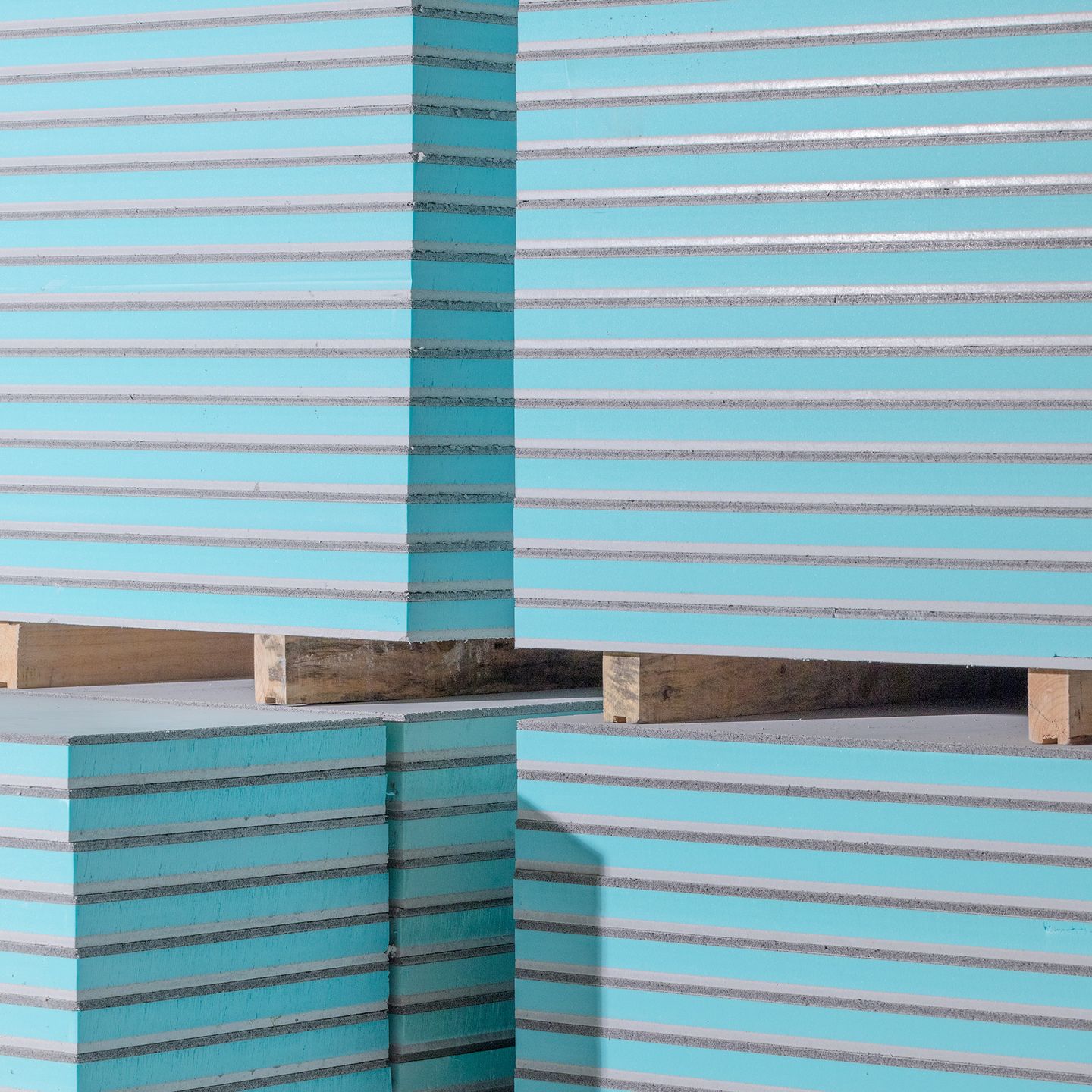
Yes, Enerblock Panel complies with all the requirements of the Spanish Technical Building Code (CTE), ensuring thermal and acoustic insulation, fire resistance, and indoor health standards, supported by two DAUs that certify compliance with all DB-CTE requirements.
Project timelines can be reduced by up to 70%, depending on the typology and complexity of the project, thanks to process industrialization and the reduction of on-site work.
Enerblock Panel is designed and manufactured through a fully digitalized and automated process that ensures precision and consistent quality at every stage. Production and process control are highly efficient, leveraging advanced automation technologies and rigorous quality control systems.
The reduction in timelines, fewer unforeseen issues, and the optimization of construction processes help accelerate return on investment. Enerblock Panel improves project profitability by lowering operational costs and risks associated with traditional construction, while also eliminating common indirect costs such as scaffolding, waste management, water consumption, and other auxiliary resources.
Yes. Enerblock Panel is certified under the technical regulations and requirements of the Spanish Technical Building Code (CTE), ensuring compliance with all Basic Documents (DB-CTE) through DAU certification issued by ITeC.
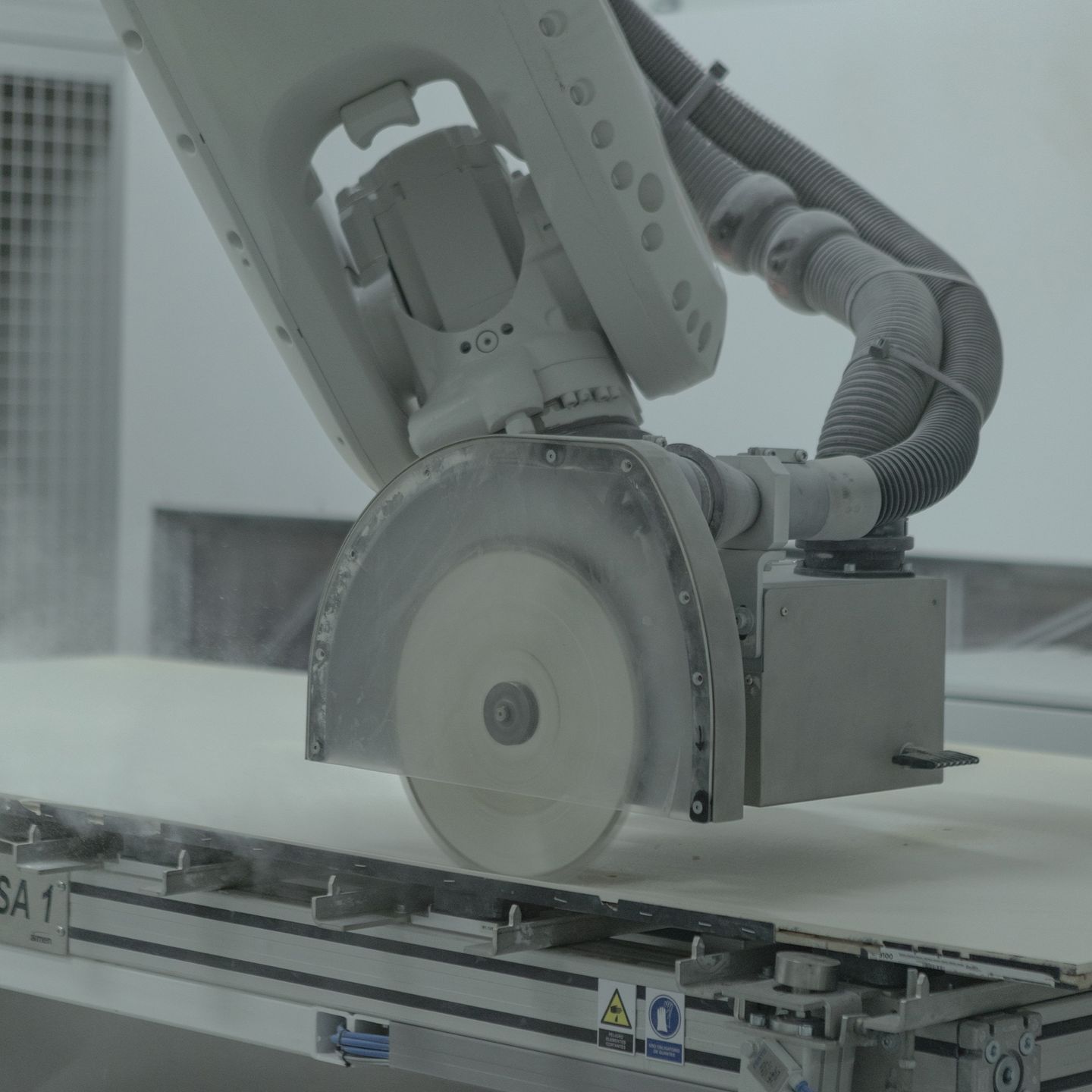
Enerblock Robot machines and identifies the components defined in the technical project, ensuring that each piece arrives at its destination properly labeled and with the exact geometry required for precise assembly.
No. The design and definition of the construction system are carried out beforehand by the Technical Office.
Enerblock Robot is limited to precisely executing the validated technical information.
Yes. Enerblock Robot acts as the layer that enables solutions such as Enerblock Panel or Enerblock Frame to fit together seamlessly, without interferences or rework.
It ensures consistency between design, manufacturing, and assembly, eliminating issues during installation and increasing certainty in timelines, costs, and final outcomes.
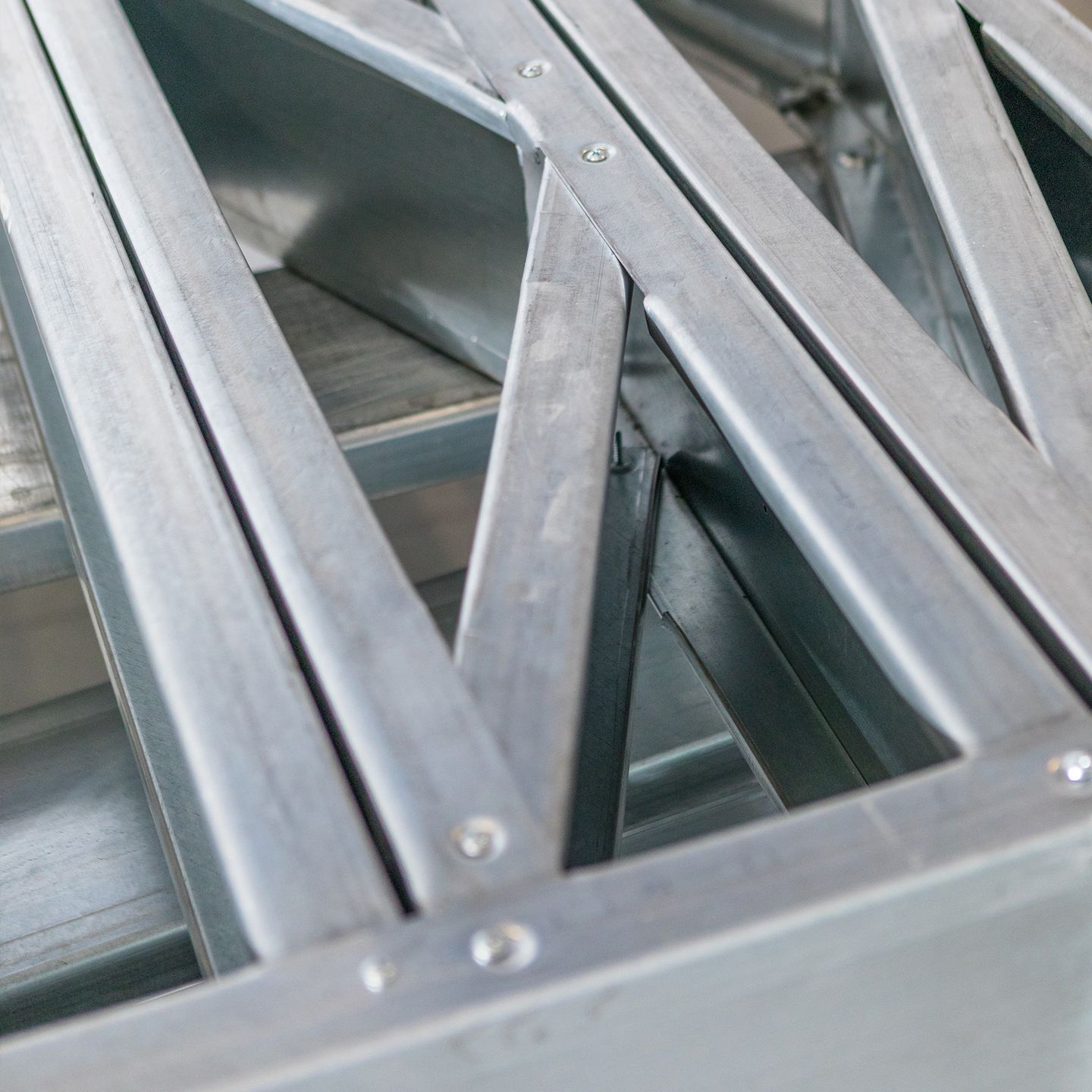
Yes. Enerblock Frame can act as a load-bearing structure or as part of a hybrid system, depending on the project requirements and structural calculations.
The structure is defined by Enerblock’s Technical Office through project-specific design and structural calculations (either self-supporting or as the main structure), taking into account loads, building use, and its interaction with the rest of the construction system.
It enables high dimensional precision, reduced weight, and controlled industrialized manufacturing, facilitating on-site assembly and minimizing interference with other systems, while also being 100% recyclable.
Yes. Each structure is specifically manufactured for the project it is intended for, following the dimensions, geometries, and connections defined in the technical design.
Enerblock System works as a coordinated whole. Component solutions are designed to fit together from the outset, reducing interferences, on-site adjustments, and deviations in timelines and costs.
No. It can be integrated into projects developed by third parties. Based on the existing documentation, Enerblock analyzes the technical fit and defines the system scope to industrialize it.
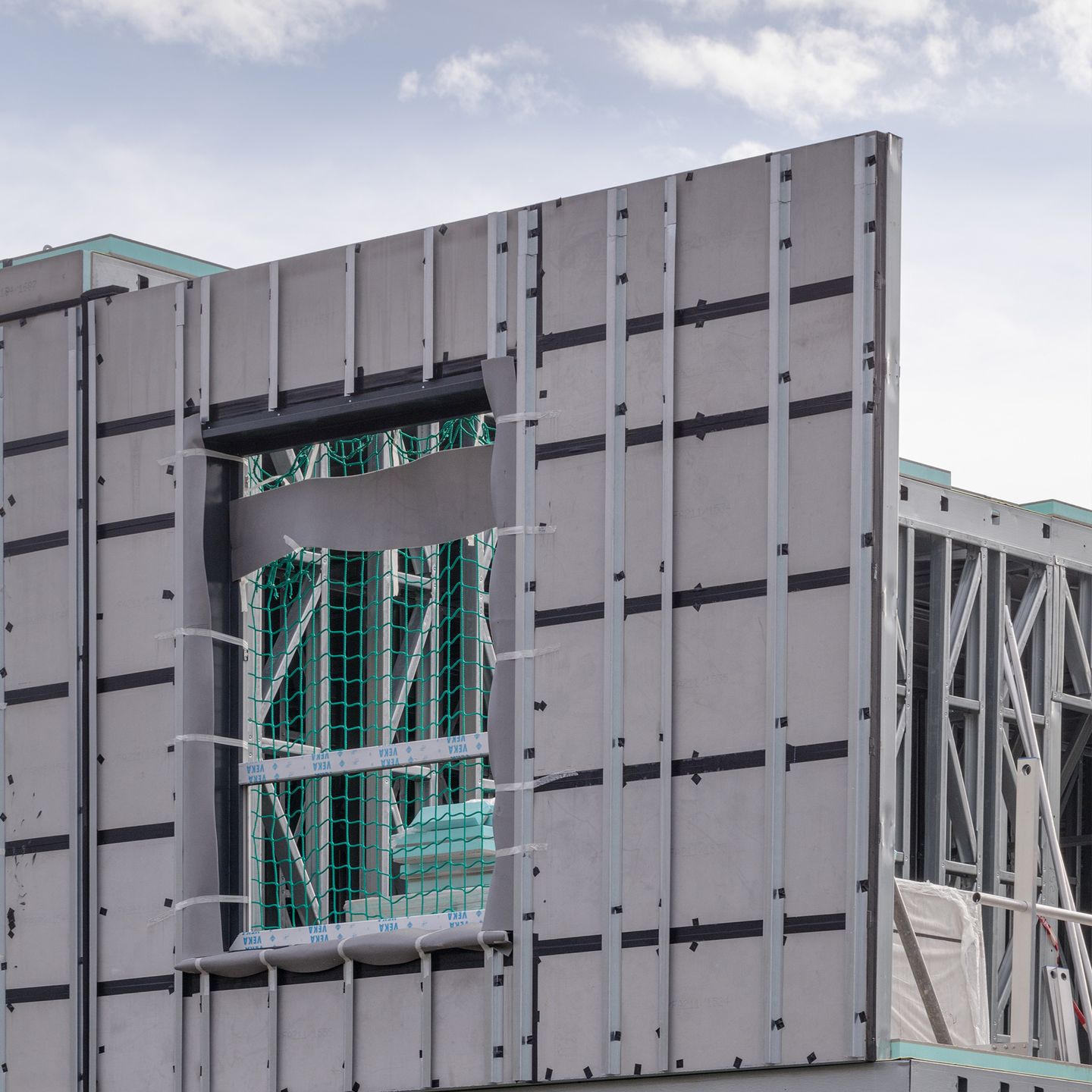
It is designed for the industrialized execution of façades, floor slabs, and roofs, combining structure, enclosure, and assembly preparation within a single component.
The industrialized elements and components of Enerblock System are backed by official certifications of its solutions. Enerblock Panel holds DAUs issued by ITeC: DAU 24/137 for façade enclosures and DAU 24/138 for roofs and floor slabs; self-supporting 2D façades are covered under DAU 25/151A, and 2D structural building components under DAU 25/152A.
It turns construction into a planned assembly process: less rework, fewer issues, and greater predictability in timelines, costs, and final quality.
Yes. Enerblock System is designed to be stable and repeatable. Depending on the case, Enerblock can structure an implementation framework based on standards, processes, training, and technical-operational support.
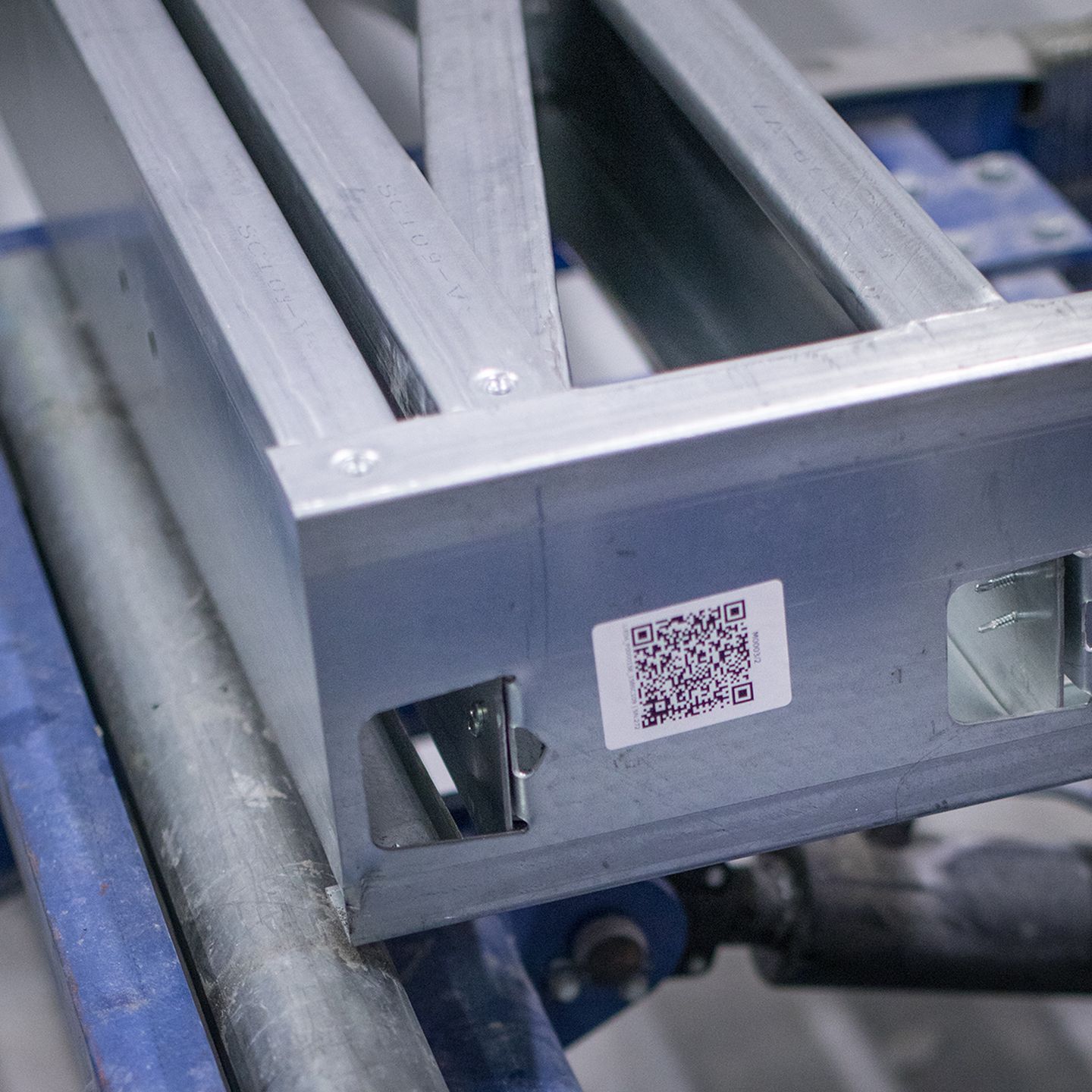
No. BIM is only one part. The value lies in the continuity through to the factory, production control using CAD/CAM technologies, and assembly traceability through MES.
Yes. The starting point is analyzed, and the scope of technical integration is defined to maintain system consistency.
Both. It reduces corrections and rework, which directly impacts timelines and costs by increasing predictability.
No. It also includes the design methodology, the industrial process, waste reduction, and improved on-site organization.
Fewer “wet” processes, less rework, less waste, and a cleaner, more controlled execution.
Process traceability and the reduction of resource consumption and waste make it possible to build a solid measurement baseline for each project.
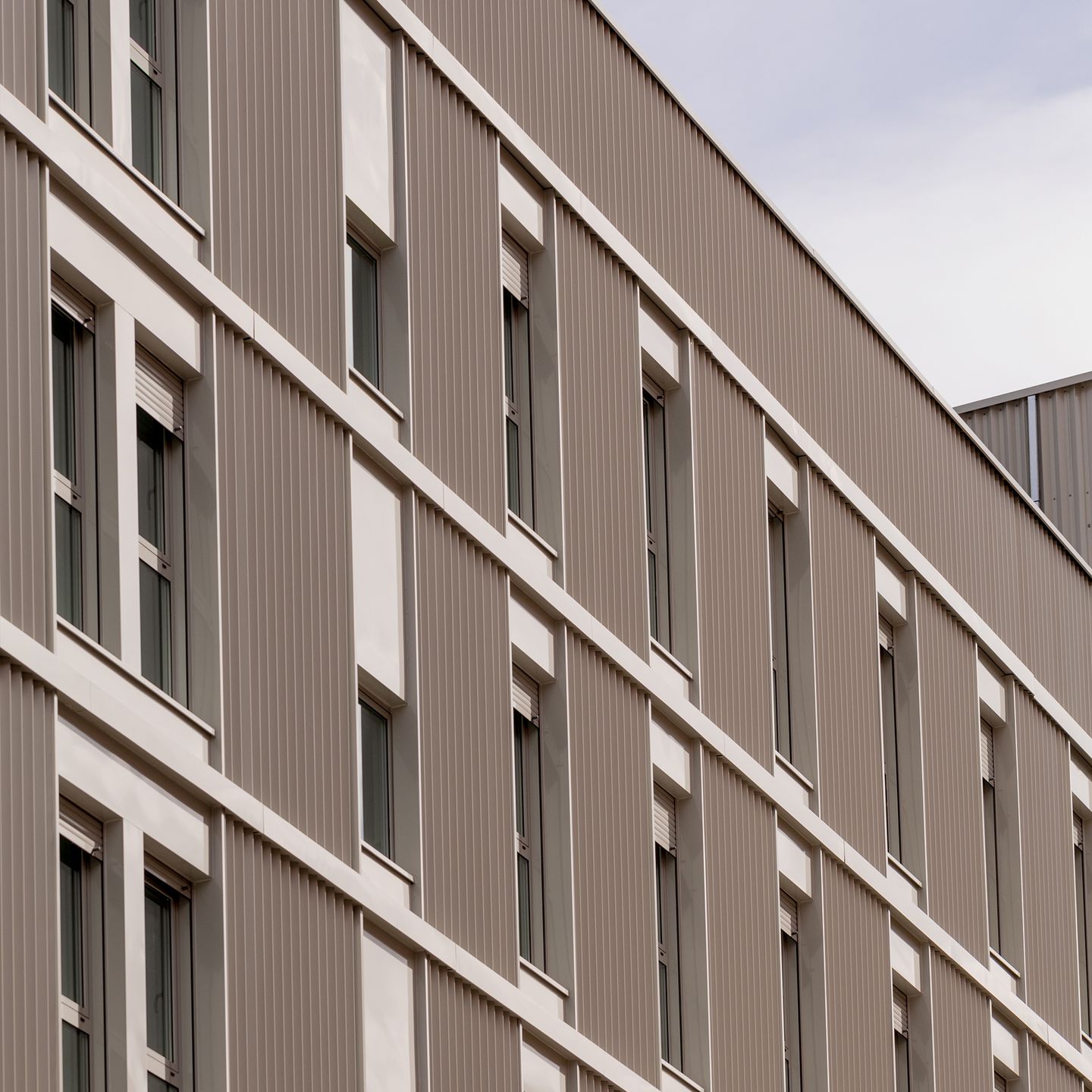
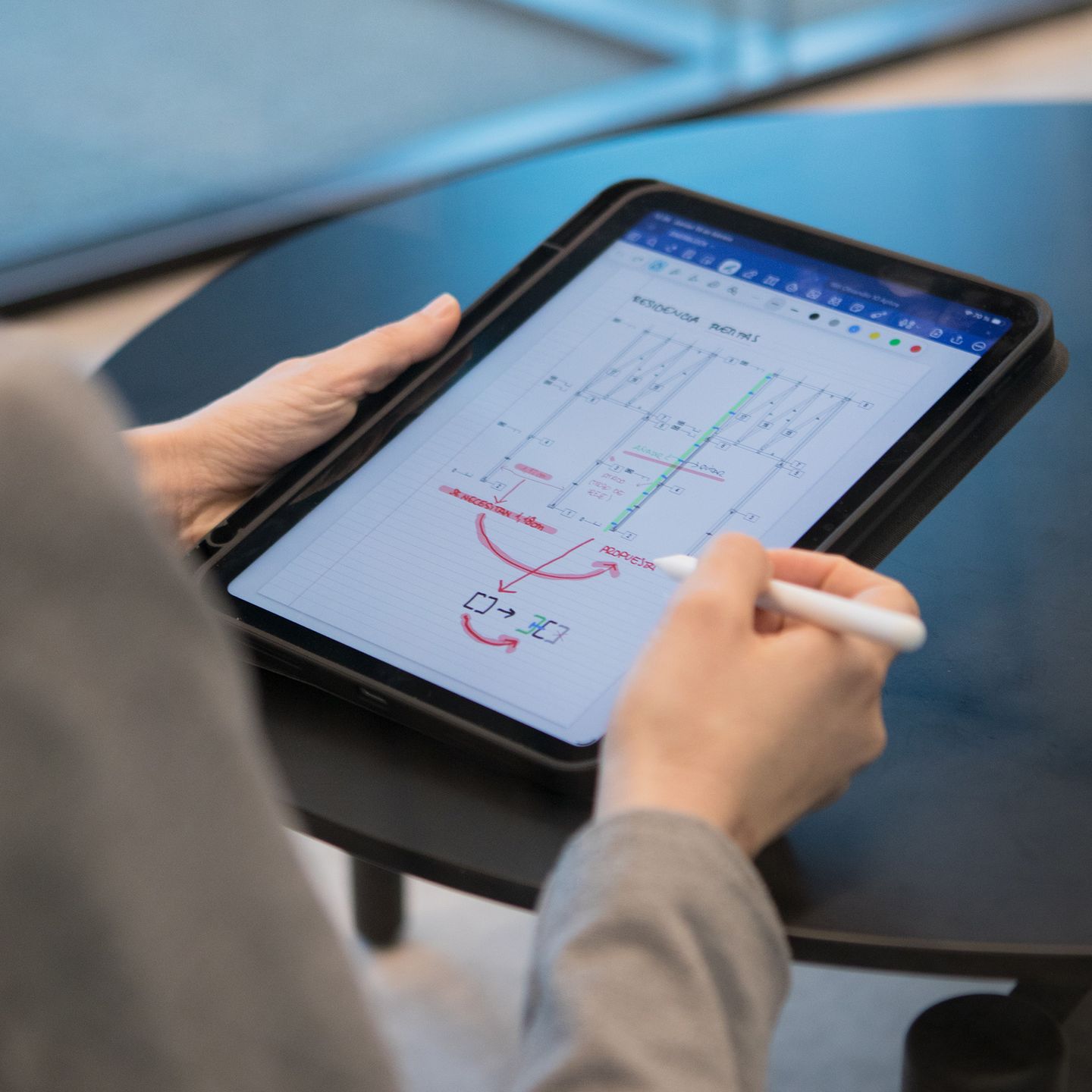
It covers the uses defined in each DAU. For each project, the technical fit and scope of application are validated.
A document issued by ITeC that evaluates and certifies the fitness for use of a construction solution in specific applications, ensuring compliance with all the requirements of the CTE Basic Documents for each intended scope of Enerblock System’s industrialized components.
It provides a solid basis to justify the solution and reduces technical uncertainty during validation phases.